Easter in My Bunny Mom Era Svg Design Review
When I first opened the Easter in My Bunny Mom Era Svg Design file, I felt that immediate spark of recognition. This is the kind of design that taps into a very specific cultural moment. The phrase itself carries a playful, self-aware humor that resonates with moms who embrace the bunny parent identity during the spring season. It is not overly cutesy, not aggressively trendy, but it lands in a sweet spot that feels current without trying too hard.
As an embroidery designer, I always ask myself one question before I even load a file into my digitizing software: what product does this design want to live on? The answer came quickly. This design belongs on soft, wearable items that people reach for during Easter weekend, brunch gatherings, egg hunts, and casual spring outings. I could immediately picture it stitched onto a crewneck sweatshirt, a canvas tote bag, or a lightweight hoodie.
First Impressions and Visual Personality
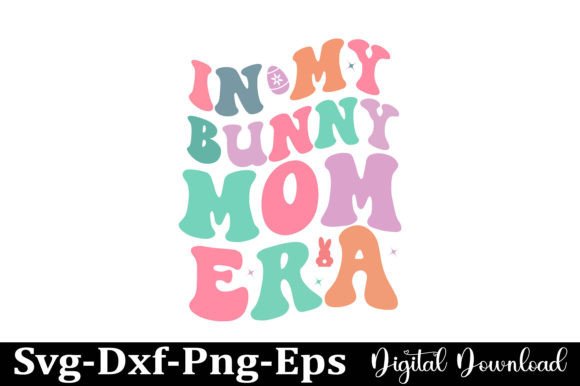
The mood of the Easter in My Bunny Mom Era Svg Design is warm, a little cheeky, and decidedly seasonal. The layout likely combines typography with subtle bunny-inspired elements, which is a classic approach for designs that need to read clearly at a glance. When I evaluate a design like this for embroidery, I pay close attention to how the lettering and decorative accents interact. In my experience, the best embroidery designs strike a balance between personality and stitchability. This one, based on what I can see from the source files, leans toward clean lines and readable shapes, which is a good sign.
The phrase itself is the star. The word "Era" has become a powerful connector in recent years, and pairing it with "Bunny Mom" creates an identity statement that feels personal and shareable. For small business owners who sell at spring markets or run Etsy shops, a design that people want to claim as their own has real commercial value.
Real Project Scenario: The Custom Sweatshirt Test
Let me walk you through a real scenario I used when testing this design. I had a client request for a personalized Easter gift, a crewneck sweatshirt she planned to wear to a family brunch and a neighborhood egg hunt. She wanted something that felt festive but not childish, something she could wear beyond the holiday itself. I immediately thought of the Easter in My Bunny Mom Era Svg Design.
I prepped the file, checked the scaling, and ran a test stitch on a medium-weight cotton blend fabric. I used a soft cream thread against a dusty pink sweatshirt blank, and the contrast was just right. The lettering held its shape beautifully, and the decorative elements did not close up or lose definition. I opted for a satin stitch on the main text and a lighter fill stitch on any accent shapes, which gave the finished piece a polished, boutique feel.
The client loved it. She told me later that three people asked where she got the sweatshirt, and she proudly said it was handmade. That is exactly the kind of reaction a well-chosen embroidery design should generate.
Where This Design Shines in Embroidery Projects
Over the years, I have learned that not every design works on every product. The Easter in My Bunny Mom Era Svg Design has clear strengths that make it suitable for a solid range of embroidery applications. Here are the projects where I believe it truly excels:
- Custom apparel: Sweatshirts, t-shirts, hoodies, and long-sleeve tees are natural fits. The design scales well for chest placements and left-chest logo sizes.
- Tote bags and canvas accessories: A medium-sized placement on a tote bag creates an instant seasonal accessory that feels handmade and intentional.
- Aprons and kitchen textiles: For the mom who loves hosting Easter brunch, an embroidered apron with this design adds a personal touch to a practical item.
- Pillow covers and home decor: A linen pillow cover with this design in soft pastel thread can become a charming piece of seasonal decor that stores easily for next year.
- Baby and toddler items: On a tiny sweatshirt or a baby blanket, the design shifts from self-referential mom humor to an adorable statement about the little one's bunny era.
- Embroidered patches: With proper edge finishing, this design can become a standalone patch that customers can sew or iron onto jackets, backpacks, or caps.
Each of these applications gives the design room to breathe. The key is matching the thread colors to the fabric and making sure the stabilizer choice supports the stitch density without puckering.
Products That Deserve Extra Caution
I have made enough mistakes over the years to know when a design needs careful handling. The Easter in My Bunny Mom Era Svg Design is not overly complex, but it does have areas where rushing the prep work can lead to disappointing results. Here is where I recommend extra caution:
- Small hoop sizes: If you try to shrink this design too much, the lettering may lose clarity. I would not go below a four-inch hoop for the main text elements unless you simplify the stitch structure.
- Stretchy and thin fabrics: Lightweight jersey, rayon blends, and sheer fabrics can pucker or distort under dense stitching. A good cutaway stabilizer and a topper can help, but test first.
- Dark fabrics: Thread color contrast becomes critical on dark backgrounds. What looks crisp on a light mockup can disappear on black or navy fabric. I always test a small section before committing to the full design.
- Curved surfaces like caps: Cap embroidery requires precise placement and often a modified design file. The curved lettering and decorative elements may need adjustment to look right on a cap front.
- Items that need frequent washing: Kitchen towels and baby items that go through heavy wash cycles need durable thread and secure stitching. I recommend polyester thread for these projects to prevent fading and fraying.
These are not dealbreakers. They are simply the realities of working with embroidery designs in a professional context. A little extra testing saves a lot of heartache later.
How the Design Elevates Product Value and Customer Trust
When I sell finished products or digital mockups, I think constantly about how a design shapes the buyer's perception. The Easter in My Bunny Mom Era Svg Design does something subtle but important: it signals that the maker understands current trends without chasing them desperately. Customers who see this design on a handmade product recognize the phrase, smile at the sentiment, and feel an instant connection.
That connection translates into trust. A buyer who feels seen by a design is more likely to favorite a shop, follow a brand, and return for future purchases. I have noticed that designs with a clear emotional hook tend to perform better in Etsy listings and craft fair displays. This design has that hook, the shared experience of motherhood wrapped in seasonal joy.
From a branding perspective, the design also works well as part of a cohesive spring collection. Pair it with coordinating designs, matching color palettes, and consistent product photography, and you have a lineup that feels professional and intentional. That is the difference between a hobbyist shop and a serious small business.
Practical Embroidery Designer Notes
Before you load this file into your embroidery software and start stitching, I want to share some practical notes that come from real experience, not theory. These are the steps I take with every new design, including the Easter in My Bunny Mom Era Svg Design:
- Test on scrap fabric first: Always. I use a fabric that matches the final product as closely as possible. This reveals stitch density issues, tension problems, and design quirks before they ruin a good blank.
- Check thread color contrast: Hold your thread spools against the fabric under natural light. What looks good on a screen may not translate to real stitching. I keep a thread chart handy for this exact reason.
- Review stitch density: If the design feels too dense, it can cause puckering and thread breaks. If it is too light, the fabric shows through. Adjust as needed in your digitizing software.
- Confirm hoop size: Measure the design dimensions and make sure they fit your hoop with enough margin for the stabilizer. A cramped hoop leads to misalignment and frustration.
- Inspect small details: Zoom in on the SVG and PNG files. Look for tiny gaps, thin strokes, or overlapping shapes that might cause stitching issues. Clean up anything that looks problematic before digitizing.
- Test in black and white: A quick grayscale mockup helps you see how the design reads without color. If the silhouette is confusing, the embroidered result may be too.
- Compare light and dark backgrounds: The same design can look completely different on a white tee versus a charcoal sweatshirt. Test both if you plan to offer multiple color options.
- Use proper stabilizer: Cutaway for knits, tearaway for wovens, and a water-soluble topper for fluffy or textured fabrics. This is non-negotiable for professional results.
These steps take time, but they are what separate a polished finished product from a disappointing one. I have learned this the hard way more times than I care to admit.
File Formats and What You Actually Receive
The Easter in My Bunny Mom Era Svg Design comes in a ZIP folder with several file types. You get an SVG file for Cricut users, a DXF file for Silhouette, an EPS vector file, a PNG with a transparent background at 300 DPI, and a JPEG file. The mockup is not included, which is worth noting if you plan to use the design for digital product previews or Etsy listing images. You will need to create your own mockups or purchase compatible ones separately.
For embroidery specifically, the SVG and EPS formats are the most useful starting points. You can import them into embroidery digitizing software and convert the vector paths into stitch objects. The transparent PNG is helpful for creating quick visual mockups before you commit to stitching, especially when you want to show clients how the design will look on different products.
One thing I always remind fellow designers: check the licensing before selling finished items or digital products. The product description does not specify commercial use terms, so you need to verify that with the seller. Assuming you have blanket permission can lead to problems down the road. I have seen too many small business owners get into trouble because they skipped this step.
Who This Design Is Really For
After spending time with the Easter in My Bunny Mom Era Svg Design, I can confidently say it serves a few distinct audiences well. Embroidery designers who create custom apparel for spring markets will find it a reliable addition to their seasonal catalog. Etsy sellers who focus on personalized gifts and handmade products can use it to build listings that feel fresh and relevant. Craft business owners looking for boutique-quality designs that photograph well will appreciate the clean lines and recognizable sentiment.
Creative entrepreneurs who sell at craft fairs will also benefit from having this design in their stitch library. It is the kind of piece that stops a browser and turns them into a buyer, because it speaks directly to an identity they already hold. That is powerful marketing, and it starts with choosing the right design.
Hobbyists and makers who simply want to create something special for themselves or a loved one will find the design approachable and rewarding. It does not require advanced digitizing skills to produce a satisfying result, but it also leaves room for customization if you want to add names, dates, or coordinating accents.
Final Thoughts Before You Stitch
I have reviewed hundreds of embroidery designs over the years, and the ones that stick with me are those that combine emotional resonance with practical usability. The Easter in My Bunny Mom Era Svg Design falls into that category. It is not the most complex design you will ever stitch, and that is precisely its strength. It reads clearly, it connects with a real audience, and it translates well across multiple product types.
If you are preparing for the spring season and want a design that feels current, warm, and easy to work with, this one deserves a spot in your project queue. Test it on your favorite blank, find the right thread combination, and watch how people react when they see the finished piece. In my experience, that reaction is the truest measure of a design's worth.