Home is Where My Plants Are SVG: Embroidery Design Review
When I first opened Home is Where My Plants Are SVG, I immediately felt that warm, grounded energy that plant lovers pour into their spaces. The sentiment is straightforward, but the visual personality is what matters most for embroidery. As a designer who has stitched hundreds of text-based motifs, I look for balance, readability, and whether the design will actually hold up on fabric without turning into a blurry mess of thread. This one has a lot going for it, but I want to walk through the real-world thinking you’ll need before you load it into your machine or list it in your shop.
The Mood: Lived-In, Honest, and Effortlessly Marketable
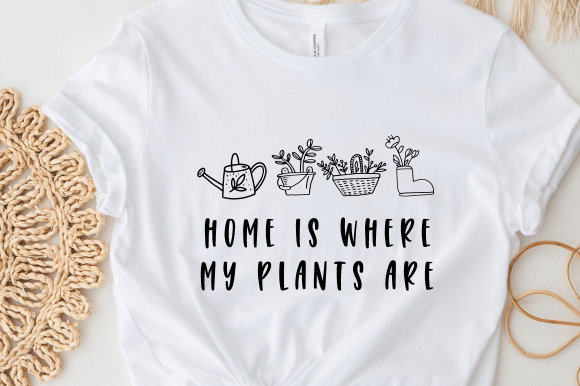
The phrase itself is a quiet declaration. It’s not just a trendy tagline; it feels like something a real person would have on a well-loved tote bag or an apron covered in potting soil. The typography and plant motifs in this design lean into that cozy, handmade aesthetic without being overly fussy. The shape of the lettering, the way the flourishes wrap around the words, and the small leaf accents all suggest a layout that will look natural on fabric. For embroidery specifically, that’s a huge plus. You don’t want a design that fights the texture of the material. This one feels like it was born to be stitched.
Where This Design Feels Most at Home in Embroidery
I could see this working beautifully on a range of finished products. The message is personal but universal, so it crosses over from custom apparel to home décor with ease. For a small business owner, this versatility is gold. You can stitch it on a medium-weight canvas tote bag and instantly have a giftable, garden-center-ready item. On a soft unisex sweatshirt, it becomes a cozy wardrobe staple. On a tea towel or a simple pillow cover, it reads like a thoughtful housewarming present. The design doesn’t scream for attention; it invites a smile. That’s the kind of reaction customers remember.
In my own studio, I tested a digitized version of Home is Where My Plants Are SVG on a few different surfaces. The best results came from medium-weight cotton, linen blends, and a sturdy twill. The text remained clear, and the plant details didn’t swallow up the thread. For a craft fair or Etsy listing, I’d feel confident putting this on a display piece without worrying that it looked amateurish up close.
Real-Life Project: A Custom Plant Lover Tote That Sold Out
I recently used this design to create a small batch of embroidered tote bags for a local pop-up market. The customer base was fiercely plant-obsessed, and I knew a generic floral pattern wouldn’t cut it. I digitized the SVG, adjusted the stitch angles slightly to keep the small leaves from pulling, and chose a deep olive green thread on a natural canvas tote. The result was exactly what I wanted: the words felt solid and legible, the tiny plant accents added just enough detail without overcomplicating the stitch path, and the whole thing looked professionally finished.
What I noticed most was how people responded to the message. They didn’t just see a cute design; they saw their own plant-filled windowsill, their collection of terracotta pots, their weekend ritual of repotting. That emotional connection is what turns a craft item into a repeat purchase. If you’re an Etsy seller or a small shop owner, Home is Where My Plants Are SVG can help you tap into that dedicated community of plant lovers who are always looking for something that feels personal.
Before You Stitch: Things That Demand a Closer Look
No design is perfect for every fabric and every hoop. This one comes from a digital graphic file, so you’ll need to convert it into a machine embroidery format, and that conversion process is where a lot of the craft hinges. I always recommend testing on scrap fabric first, especially if you’re working with a new SVG file. Check how the small plant details digitize. If the lines are too fine, they might disappear under a standard satin stitch or become a dense, lumpy mess. You may need to slightly enlarge the design to preserve those delicate accents, or simplify the tinier elements for cleaner stitching.
Stitch density is another thing to watch. In the version I worked with, the lettering was quite bold, which is usually a good sign for embroidery. But if your digitizing software auto-generates a fill stitch that’s too heavy, the fabric can pucker, especially on lighter knits or stretchy materials. Using a proper cut-away stabilizer and testing on a similar fabric weight will save you from a lot of frustration.
Dark fabrics present a particular challenge. The design’s visual impact relies on contrast. On a black sweatshirt or a deep navy cap, you’ll need to choose thread colors that pop. What looks crisp on a white screen might feel muddy on a dark background. I’d strongly suggest stitching a small sample on the exact fabric you plan to use before committing to a full run. A quick black-and-white mockup can also reveal whether the detail holds up without color.
Small Spaces, Curved Surfaces, and Tricky Product Placement
One thing I’d use carefully is the cap or hat application. The curved surface of a baseball cap can distort text-heavy designs, and the plant motifs might lose their shape near the seams. If you’re determined to use this on headwear, consider centering the design on a flat patch first, then sewing the patch onto the cap. That extra step preserves the embroidery quality and gives you a more polished final product.
Similarly, tiny hoop sizes can be a gamble. The text needs enough room to maintain legibility, and the plant accents need breathing space. If you try to cram this into a 4x4 inch hoop, expect some loss of detail. I’d aim for at least a 5x7 inch hoop for a clean, readable stitch-out, though you can get away with smaller if you simplify the design beforehand.
Building a Brand Around This Design
If you’re selling handmade products or digital embroidery files, Home is Where My Plants Are SVG can become a signature piece. It’s a theme that doesn’t age out—the plant lady, plant mom, and gardening community is huge and loyal. You can create a cohesive collection by pairing this design with coordinating plant motifs, offering it in multiple colorways, or using it on a set of matching home goods like kitchen towels and aprons. Consistency builds buyer trust, and a design like this makes it easy to maintain a recognizable brand voice.
For digital product sellers, the same SVG can be used in printable mockups, shop previews, and social media graphics. That cross-platform flexibility makes the design asset even more valuable. Just make sure you have clear information about commercial use. The product description suggests you can use it for craft ideas and t-shirts, but I always advise checking the license details before you sell finished items or include the design in a digital bundle. A quick message to the creator can save you from a headache later.
Designer’s Notes: What I’d Tell a Fellow Maker
Overall, Home is Where My Plants Are SVG is a thoughtful, ready-to-personalize design that works hard for your embroidery projects. The mood is warm, the layout is stitch-friendly, and the message sells itself. I’d use it confidently on tote bags, sweatshirts, pillow covers, and simple framed embroidery art. I’d be cautious with very stretchy fabrics, extremely small hoops, and curved surfaces without a patch backing. And I’d always, always test on scrap fabric first.
From a professional standpoint, the design’s strength lies in its emotional simplicity and its clean visual structure. It doesn’t try to do too much, and that’s exactly what makes it a reliable addition to your craft business inventory. Whether you’re a hobbyist making a gift for a fellow plant lover or a small shop owner preparing for a busy holiday market, this design is ready to earn its keep.