In My Cheer Daddy Era: A Groovy Retro Design Review
From my desk, surrounded by fabric swatches and thread charts, I’m looking at the “In My Cheer Daddy Era Groovy Retro” design with the eyes of someone who needs to translate a digital file into a tangible, stitched product. This isn’t just a graphic; it’s a potential centerpiece for a custom sweatshirt, a focal point on a tote bag, or a personalized gift that needs to feel special. My review is grounded in that reality—how this design performs when the needle starts moving.
First Impression: A Mood in Shapes and Text
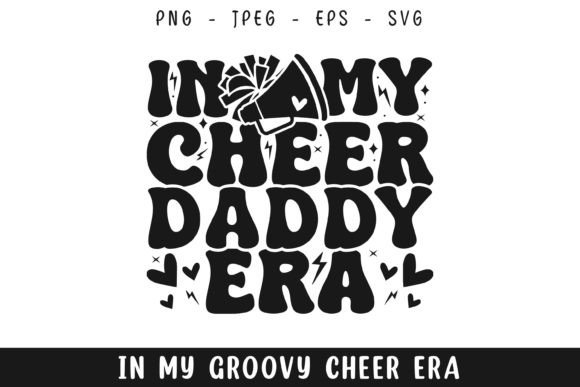
The immediate vibe is playful and proud, wrapped in a nostalgic, retro aesthetic. The phrase “In My Cheer Daddy Era” itself speaks to a specific, joyful moment in life—being a supportive parent in the whirl of cheerleading. The groovy, flowing shapes supporting the text suggest motion and fun. This isn’t a stern, blocky logo; it’s a celebratory statement. The layout feels balanced, with the text as the clear hero, surrounded by decorative elements that enhance rather than overwhelm. For embroidery, this is promising. The visual personality is strong enough to stand out but appears composed, which usually translates well into stitches.
Where This Design Thrives in Real Projects
Imagine you’re preparing a custom order for a client who wants a gift for her husband, a proud cheer dad. You’re considering a heavyweight cotton sweatshirt or a sturdy canvas tote bag. This design naturally fits these applications. The theme is perfect for personalized apparel—think dad’s weekend sweatshirt or a jacket he wears to competitions. The “groovy retro” styling lends itself beautifully to embroidery patches, which could be applied to a backpack or a cap. I also see it working well on a tea towel or apron for a family-themed kitchen, or even as a decorative element on a baby’s blanket if the family is deeply involved in the cheer community.
For small business owners and Etsy sellers, this design could become a staple in a niche offering. It caters to a specific, passionate demographic. An embroidered pillow cover with this design could be a unique item for a boutique, or it could be the focal point on a holiday gift like a cozy blanket. Because the description mentions easy color changes for dark or white backgrounds, it offers flexibility. On a dark embroidered cap, you might choose bright, contrasting threads; on a white baby onesie, softer pastels could make it sweet and subtle.
Visual Appeal and Customer Connection
When stitched out, a design like this affects more than just aesthetics; it impacts perceived value. Clean, clear embroidery with a fun theme enhances customer trust. It shows you understood the sentiment they wanted to express. For a handmade presentation, the retro shapes, if stitched with care, add a level of detail that makes the product feel less generic and more bespoke. This boosts its giftability and recognition—it’s clearly not a mass-produced logo. For your craft business, consistently delivering well-executed versions of such designs strengthens your brand consistency as a decorator who handles meaningful, family-oriented themes.
Considerations for Stitching Success
This is where practical judgment comes in. The description states it’s made with vector shapes and is re-sizable, which is excellent for machine embroidery adaptation. However, the devil is in the details. Whenever I evaluate a design, I think about its potential pitfalls on actual fabrics.
First, small details within the groovy shapes and any decorative accents. When resizing for a small hoop size, like for a child’s garment or a curved surface like a cap, those details could become too dense or too fine, risking stitch clarity. Textured fabrics like fleece or some sweaters can obscure finer lines. Thin or stretchy fabric would demand excellent stabilizer and possibly a lighter stitch density to prevent puckering.
Lettering is always a focus. “In My Cheer Daddy Era” has a mix of letter sizes. The smaller text, like “Era,” needs to be checked in your embroidery software to ensure it will stitch out cleanly without fills bleeding together. For dark fabric, as mentioned, color contrast is key. You’d likely use bright whites or vibrant colors for the main elements to pop, but test that contrast on scrap first. A design with this mood could lose its cheerfulness if the thread colors blend into a dark background.
Embroidery Designer Notes for a Smooth Project
My standard advice for using any new embroidery file applies heavily here:
- Always test the design on scrap fabric first, using the same material and stabilizer you plan for the final product.
- Check the stitch density in your software. Vector-based designs can sometimes create very dense fill areas when translated to stitches, which might need adjustment for comfort on apparel.
- Run a black and white mockup to see the pure shape layout, devoid of color influence. This helps identify balance issues.
- Compare it on both light and dark fabric backgrounds digitally to plan your thread palette.
- Use proper stabilizer appropriate for your fabric. This design’s success hinges on clean lines.
- Inspect the small details and corners after your test stitch. Are they sharp? Do they need a slight simplification for your specific embroidery project?
- Crucially, confirm licensing before selling finished items. The product is categorized under Crafts and Graphics, but you must verify if it’s for personal use, commercial use, or both. Never assume.
The Final Stitch: A Design with Purpose
“In My Cheer Daddy Era Groovy Retro Svg” feels like a design with a clear purpose and audience. From a professional standpoint, it’s not just a random graphic; it’s a digital embroidery file with the potential to become a beloved custom apparel item, a standout handmade product, or a valued digital design asset in your shop. Its strength is its targeted, upbeat theme combined with a flexible visual style. Its challenge, as with any design, will be in the skillful translation from screen to stitch—paying attention to fabric choice, sizing, and thread selection.
For crafters and apparel decorators, this design offers a ready-to-use concept that can save design time. For the creative entrepreneur, it represents a product that can connect emotionally with customers. Approach it with practical preparation—test, adjust, and verify—and it can become a reliable part of your portfolio for projects that celebrate family, sport, and a bit of retro fun.