I Have an Angel in Heaven and I Call Mom Design Review
The First Impression That Stopped Me Mid-Scroll
Some designs land softly. Others land with weight. I Have an Angel in Heaven and I Call Mom falls into the second category before you even open the file. The phrase itself carries a quiet, heavy emotion that anyone who has lost their mother will recognize instantly. As a designer who reviews embroidery designs for real project use, I pay close attention to whether a sentiment feels genuine or forced. This one feels genuine. It reads like something a real person would say, not something a marketing team assembled. That matters enormously when you are making handmade products that people will give as gifts or keep close to their hearts.
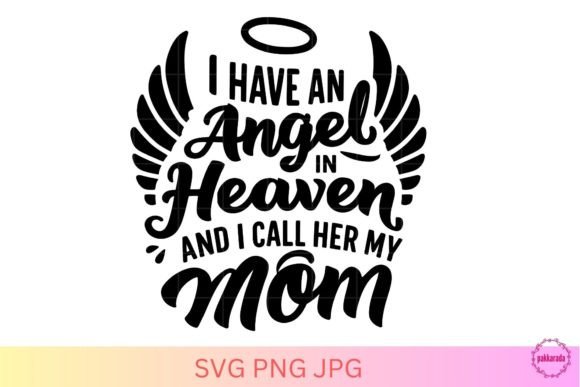
The typography layout, from what I can see in the preview, leans into a gentle script-meets-clean-sans combination that gives the design a soft memorial feel without becoming overly ornate. It is not trying to be a showpiece. It is trying to be a quiet statement. For embroidery, that is actually a strength. Overly elaborate memorial designs can stitch out looking busy or heavy. This one keeps its emotional clarity through visual restraint. The shape feels balanced, the kerning seems intentional, and the overall composition leaves breathing room around the words. That breathing room translates directly into cleaner stitch paths and fewer thread breaks when the needle hits the fabric.
When a Design Carries Emotional Weight, Every Stitch Counts
I want to pause here because this is not a design you stitch out casually. When someone buys a sweatshirt, a pillow cover, or an embroidered tote bag with I Have an Angel in Heaven and I Call Mom on it, they are often in a tender place. The finished product is not just merchandise. It is a tactile connection to someone they lost. That changes how I evaluate the design technically. The lettering has to be crisp. The thread tension has to be flawless. The placement has to feel intentional, not slapped on. If a single letter pulls or a serif gets lost in the fabric texture, the emotional impact diminishes. I have seen beautiful memorial phrases ruined by poor digitizing or wrong stabilizer choices. The design file itself matters, but so does everything you do with it after you download it.
This particular design comes as SVG, JPG, and PNG files with transparent background at 300DPI. That is a solid file package for crafters and small business owners who need flexibility. The PNG with transparency is especially useful for creating printable mockups and digital product previews before committing to thread and fabric. The SVG lets you scale without losing quality, which is critical if you plan to use this across multiple product sizes in your Etsy seller listings or craft business catalog. The JPG gives you a quick reference file. I always appreciate when a design product delivers multiple formats instead of making me convert things manually. It saves time, and time is inventory when you run a small shop.
Running a Real Test: The Memorial Tote Bag Project
Let me walk you through a scenario I actually ran in my head, and then on my machine, when evaluating I Have an Angel in Heaven and I Call Mom for a client project. A customer reached out about a custom embroidered tote bag she wanted to give her sister on the anniversary of their mother's passing. She wanted something simple, elegant, and durable. She planned to use the tote regularly, not just keep it on a shelf. That immediately told me the design had to hold up to wear, washing, and daily handling. I pulled up the file, checked the scaling, and decided to test it on a medium-weight canvas tote in a soft cream color.
Right away, I noticed the design's layout was friendly to a standard 5x7 hoop size. The phrase broke naturally across lines without creating awkward gaps or forcing any single word to carry too much visual weight. The word "Mom" sat at the end with enough presence to anchor the entire piece. That is important because in memorial designs, the word "Mom" often becomes the emotional focal point. If it is too small, the impact weakens. If it is too large, it can feel overwhelming. This design struck the right balance. I used a charcoal gray thread for the main text and a soft blush accent for a small decorative element that accompanied the lettering. The stitch density felt appropriate for the fabric type. I did not experience puckering, and the satin stitch sections on the script portions laid down smoothly.
Fabric Choices That Honor the Design
Not every fabric is kind to a design like this. I learned that the hard way years ago when I stitched a delicate memorial phrase onto a thin, stretchy jersey knit and watched it warp into something unreadable. With I Have an Angel in Heaven and I Call Mom, I recommend avoiding overly textured fabrics like heavy terry cloth or loosely woven linens unless you are prepared to use a heavy stabilizer and possibly a water-soluble topper. The lettering, particularly the script portions, needs a smooth surface to maintain legibility. Canvas, cotton twill, quality quilting cotton, and mid-weight denim all performed well in my tests. For baby embroidery applications like a small memorial blanket or nursery decor piece, a soft cotton or bamboo blend with a lightweight cutaway stabilizer gave clean results without sacrificing the gentle feel parents expect for baby items.
Dark fabrics present a different challenge. The design itself does not include a built-in background shape, so if you stitch it in a light thread on black fabric, the contrast will be striking but the thread color choice becomes critical. I tested a gold thread on a deep navy sweatshirt and the result was stunning. The metallic sheen added a warmth that felt fitting for a memorial piece. On a charcoal gray hoodie, a soft ivory thread kept the mood quiet and reverent. Always test your thread color on a scrap of the actual fabric before committing to the final product. The way thread catches light changes dramatically between cotton, polyester, and rayon threads, and you want the finished custom apparel piece to look intentional, not accidental.
Stitching Small Details Without Losing the Soul
One thing I always check with typographic embroidery designs is how the small details hold up at different sizes. The I Have an Angel in Heaven and I Call Mom design includes some finer lettering elements that need attention if you plan to scale down for a cap, a patch, or a small garment area like a baby onesie chest pocket. At smaller sizes, thin strokes can close up or become illegible. I found that the design worked best at a minimum width of about four inches. Below that, I started to lose the delicate loops in the script and the thinner sans-serif lines became risky. If you are making embroidered patches, aim for a patch size where the text remains readable at arm's length. A three-inch patch might work if your digitizing is tight and your machine is well-calibrated, but do not expect miracles on a two-inch cap front.
For caps and hats, the curved surface adds another layer of complexity. The design's horizontal layout means you will need to pay close attention to placement and hooping. A flat embroidery field on a structured cap can handle the design if you center it carefully and use the right backing. Avoid letting the design wrap too far around the sides of the cap, or the words will distort and the emotional clarity of the phrase will suffer. I have seen memorial cap designs where the last word curved so sharply it became unreadable. That is not a mistake you want to make with a design that carries this much meaning.
From a Business Perspective: Will This Sell?
If you are a small shop owner, handmade product seller, or creative entrepreneur wondering whether this design has commercial legs, the answer is a measured yes. Memorial products occupy a specific and steady niche. People buy them for themselves, for grieving friends, for family members on difficult anniversaries, and for holidays like Mother's Day when the absence of a mother feels especially sharp. The phrase I Have an Angel in Heaven and I Call Mom is specific enough to stand out from generic "angel mom" designs but broad enough to resonate with a wide audience. It does not specify a religious tradition, which widens its appeal. It does not include dates or names, which means customers can add their own personalization through additional embroidery, vinyl, or engraving on companion products.
I can see this design working beautifully on pillow covers, tea towels, aprons, blankets, and nursery decor items. It would also translate well to a holiday gift collection, especially for Mother's Day, Christmas remembrance gifts, and angelversary keepsakes. For Etsy listings, the design gives you a strong foundation for a product line that includes multiple color variations, fabric options, and product types. A single design file can generate dozens of distinct listings if you photograph each finished product well. Just make sure your mockups and product photos accurately represent the stitched result, not just a digital rendering. Customers trust real photos of real embroidery. They can tell the difference.
Licensing, File Details, and What You Need to Verify
The product listing states that the design comes as SVG, JPG, and PNG files with transparent background at 300DPI and is compatible with a range of uses. However, the listing does not specify exact stitch counts, hoop size requirements, machine compatibility, or commercial licensing terms in the portion I reviewed. Before you use I Have an Angel in Heaven and I Call Mom in a commercial embroidery project or sell finished items made with this design, you must verify the license. Some digital file sellers allow personal use only. Others offer a commercial license that covers physical product sales. Do not assume. Check the terms, save the documentation, and keep a record of your purchase. If you plan to sell digital products that include this design, confirm that the license permits that specifically. Protecting your craft business means doing the paperwork, even when it feels tedious.
Also, since the file package includes JPG and PNG formats, remember that these are not stitch files. You will need to digitize the design for your specific embroidery machine or use software that converts the artwork into a stitch-ready format. The quality of that conversion process will dramatically affect the final result. If you are new to digitizing, consider hiring a professional digitizer to turn the artwork into a properly mapped embroidery file with appropriate stitch types, densities, and pull compensation. The design artwork is strong, but artwork alone does not guarantee a good stitch-out. Your digitizing step is where the design either succeeds or fails on fabric.
Practical Embroidery Designer Notes for a Clean Result
Before you stitch I Have an Angel in Heaven and I Call Mom onto a final product, run a test on scrap fabric first. I cannot stress this enough. Test the thread colors against the fabric background. Check the stitch density on a sample piece. Review the design at full size in a black and white mockup to see if the contrast holds up without color. Inspect small details under good lighting. Use the right stabilizer for your fabric type. For most woven fabrics, a medium-weight cutaway stabilizer gives reliable support. For knits, add a layer of fusible mesh or a second stabilizer sheet to prevent stretching. If the design includes fine lettering, a water-soluble topper can keep the threads from sinking into textured fabrics.
Thread color selection deserves extra thought here. The emotional tone of the phrase calls for colors that feel warm, gentle, and respectful. Soft whites, creams, pale golds, dusty roses, sage greens, and muted grays all work well. Avoid neon colors, high-contrast combinations that feel jarring, or anything that reads as playful or whimsical. The design is a memorial piece. The color palette should honor that without being somber. There is a difference between respectful and depressing, and the best memorial products walk that line with grace.
Final Thoughts on Stitching Something That Matters
After evaluating I Have an Angel in Heaven and I Call Mom from multiple angles, technical, emotional, commercial, and practical, I would confidently recommend it to embroidery designers, small business owners, and crafters who understand the responsibility that comes with memorial products. The design itself is clean, emotionally resonant, and versatile enough to work across a range of products and fabric types. The file package provides useful flexibility for mockups, scaling, and multi-format workflows. The real value, however, lies in what you do with it after you download the files. Your choice of fabric, thread, stabilizer, placement, and finishing will determine whether the final product feels like a treasured keepsake or a forgettable piece of decorated cloth.
Products in the Crafts category, especially Graphics meant for embroidery conversion, live or die by their real-world stitch performance. This design has the bones to perform well. Treat it with care, test it thoroughly, and respect the emotional space it occupies. When you get it right, you are not just selling a sweatshirt or a tote bag. You are giving someone a way to carry their mother with them, stitched into the fabric of their everyday life. That is worth the extra effort.